Partnerships under pressure.
Futures under study.

Most analysis of alliances describes the past or the present. TAFI studies what comes next — how alliances and partnerships may function in a world of shifting power, technological disruption, and contested regional orders. Our center of gravity is the Indo-Pacific. Our method is futures analysis.

Indo-Pacific archipelago at dawn

What We Study

Four lines of work, one center of gravity.

01

Alliances and Partnerships Under Strain

How do burden-sharing disputes, domestic political shifts, and changing threat perceptions reshape existing alliance commitments? We examine the specific pressures and what signals tell us about alliance durability.

02

Strategic Empathy

Statecraft fails when it assumes other states see the world the way Washington does. We study how allies, partners, and competitors understand their own interests, constraints, and red lines—and where American analysis may misread them.

03

Futures and Scenarios

We test the assumptions underlying current security and partnership strategies, and explore alternative scenarios and pathways. Our goal is not to predict but to identify the indicators that tell us which pathway is materializing.

04

Partnership Evolution

We focus on regions where the security architecture is changing fastest and where the strategic consequences are decisive. Our emphasis is on the Indo-Pacific to include US partners and Allies in the region.

What We're Publishing

A live feed across our structured analytic reports, weekly briefings, and commentary.

Ukraine Red Team Report ★ Featured May 28, 2026

Ukrainian Outcomes, Chinese Lessons

Three scenarios for how the Russia–Ukraine war ends — and what each teaches China about Taiwan.

By Eric Lies, Jonah Bock, Cameron Hendrix, Dr. Greg Brown
Read →
PRC Pacific Embassies Monitor · Special Report ★ Featured May 25, 2026

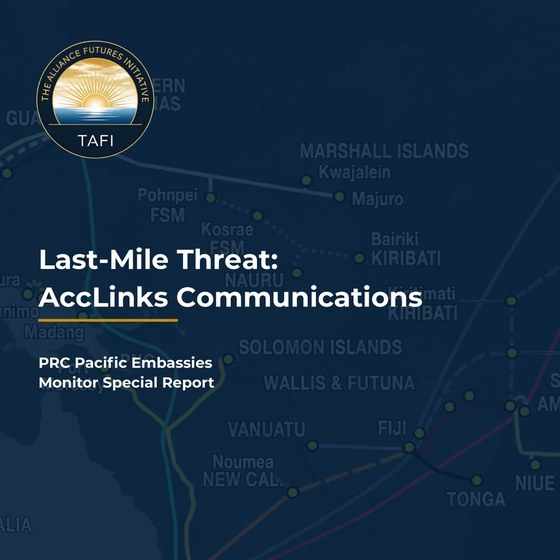
Last-Mile Threat: AccLinks Communications

How AccLinks embeds high-risk Chinese hardware in Pacific Island telecommunications, gating Western-funded subsea cables.

By Jonah Bock
Read →
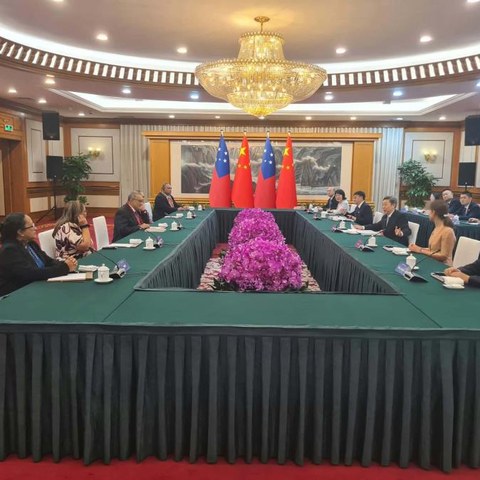
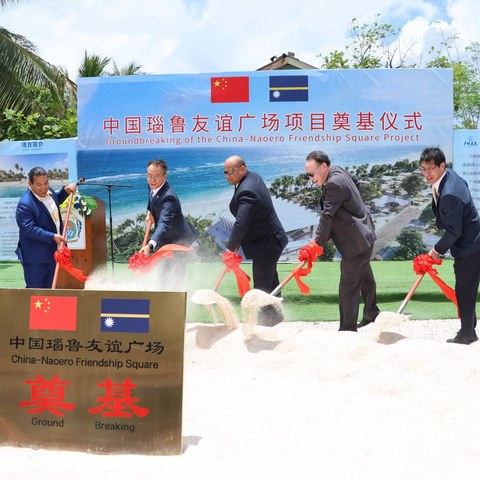
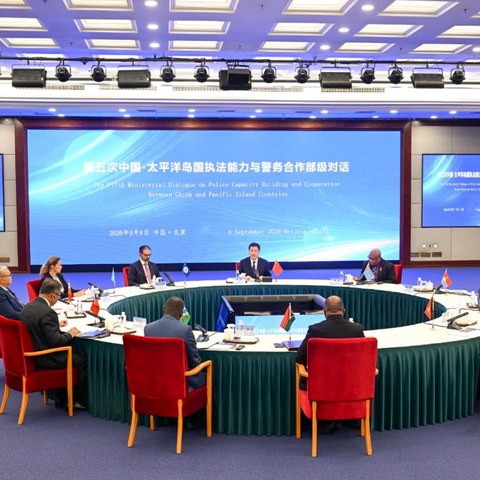
PRC Pacific Embassies Monitor · Wk 18 June 8, 2026

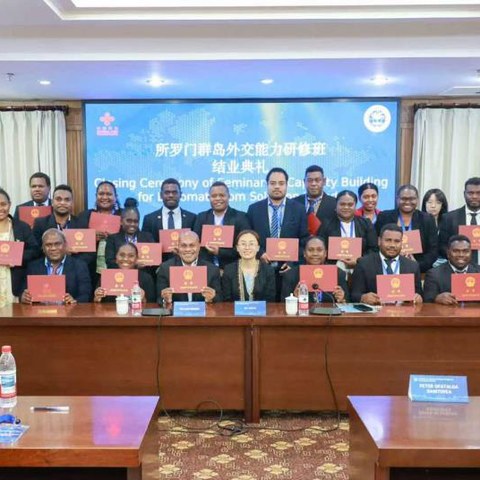
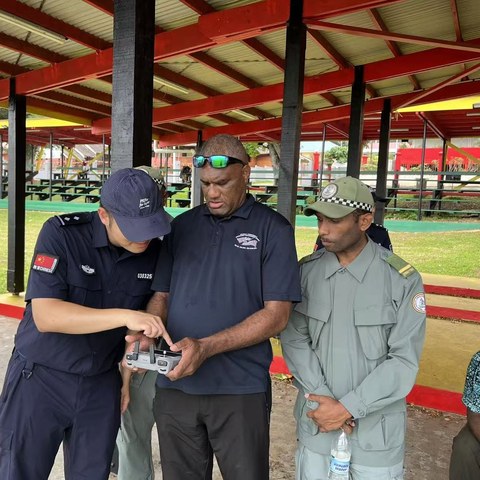
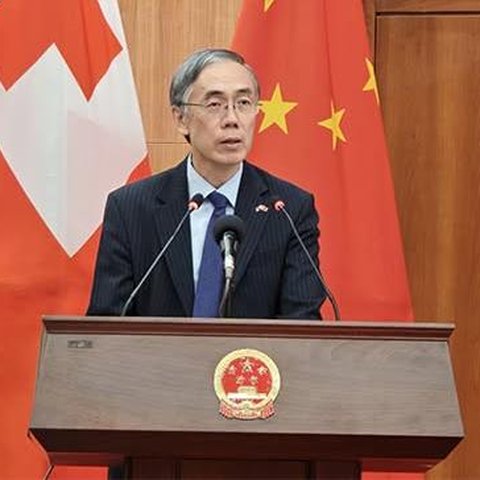
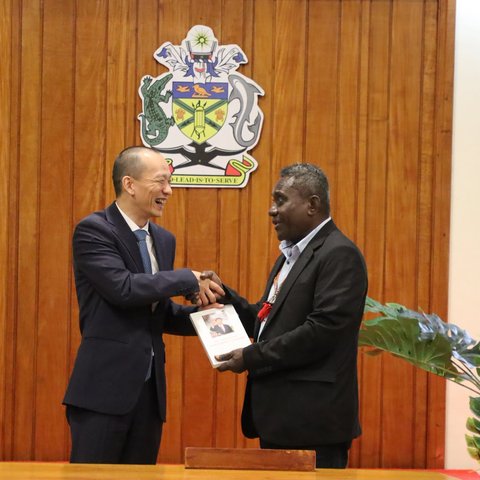
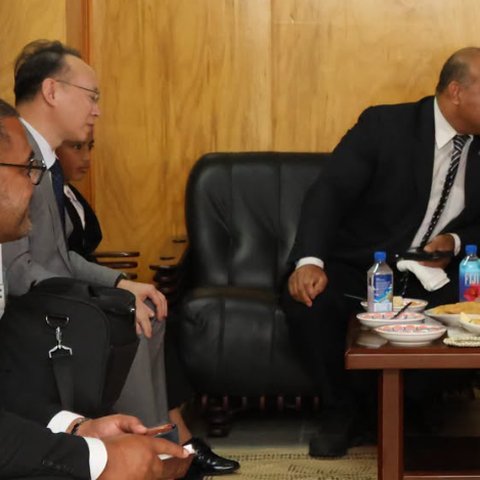
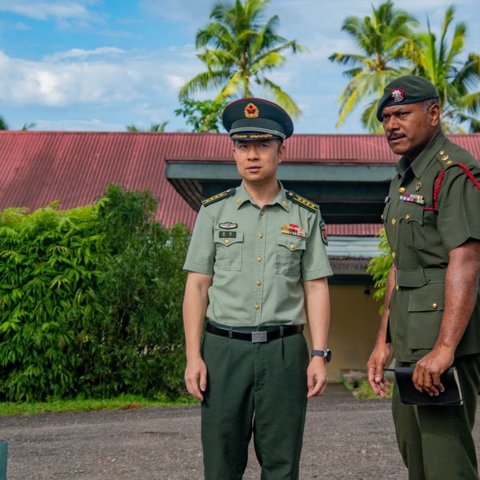
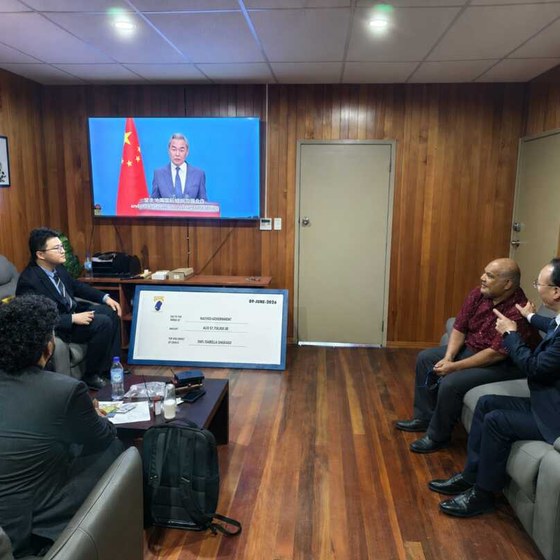
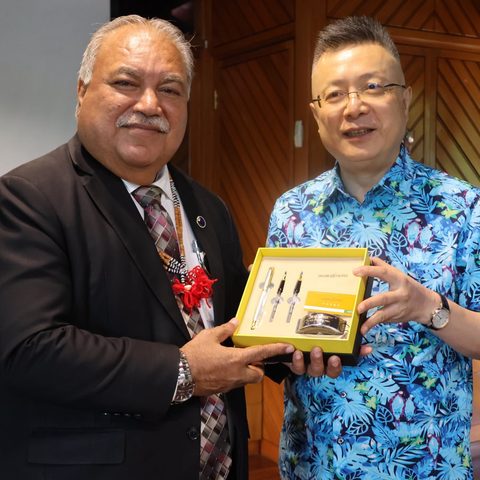
Fengqiao Lite in Lau Valley: China’s Grassroots Policing Model Adapts to the Solomons

China’s policing partnerships in the Solomons; coordinated Dialogue Among Civilizations push and a Nauru media broadcast.

By Jonah Bock
Read →
Southern Signals Jun 8, 2026

The Last Human Advantage: Recursive Self-Improvement and the New Sovereignty Crisis

When intelligence itself begins to compete with humans for the role of inventor, sovereignty becomes a question about who controls the engines of intelligence.

By Andrew Horton
Read →
PRC Pacific Embassies Monitor · Wk 17 Jun 1, 2026

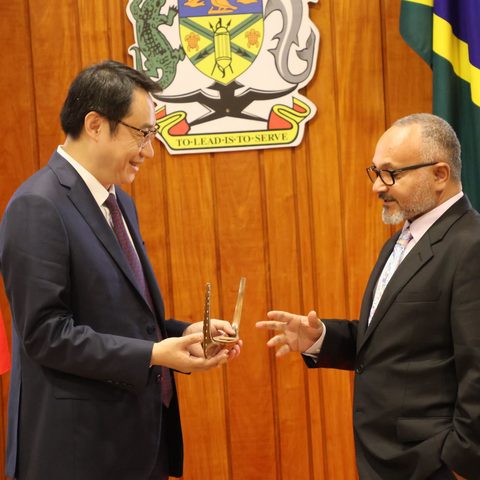
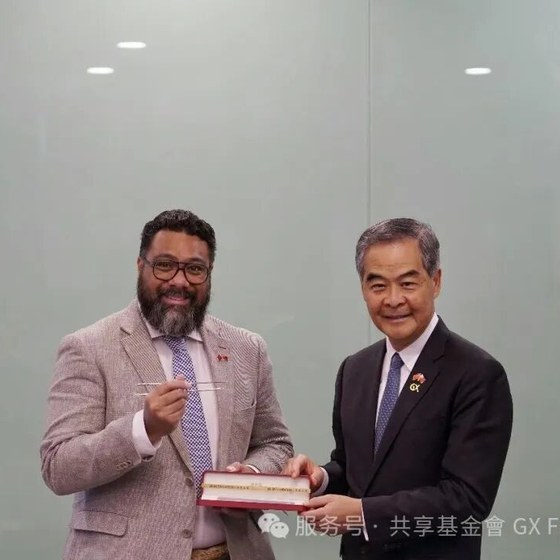
Wale Goes to Canberra; Beijing Stays Busy

China’s continuing engagement in the Solomons, and the GX Foundation’s delegation to Tonga.

By Jonah Bock
Read →
Southern Signals Jun 1, 2026

The Great Race: AI-Driven Cyber Offence vs AI-Driven Cyber Defence

An AI-driven cyber arms race that compresses the discovery-to-exploitation window to seconds — and forces a hard look at whether human institutions can keep up.

By Andrew Horton
Read →
Southern Signals May 25, 2026

Who Owns the Mind of the Machine Owns the Century

Frontier AI is becoming strategic infrastructure. The builders are warning; governance has not yet answered.
By Andrew Horton
Read →
The Honest Broker Commitment

When policymakers only hear what they want, someone else ends up suffering the consequences — usually later, and usually in ways no one anticipated.
01

No funder previews

Our funders do not see drafts before our peer reviewers do.

02

No commercial review rights

Our commercial clients have no review rights over our public research or our public remarks.

03

Findings against ourselves

When facts on the ground change, we change our mind.