TAFI
The Alliance Futures Initiative
Most analysis of alliances describes the past or the present. TAFI studies what comes next — how alliances and partnerships may function in a world of shifting power, technological disruption, and contested regional orders. Our center of gravity is the Indo-Pacific. Our method is futures analysis.

Four lines of work, one center of gravity.
How do burden-sharing disputes, domestic political shifts, and changing threat perceptions reshape existing alliance commitments? We examine the specific pressures and what signals tell us about alliance durability.
Statecraft fails when it assumes other states see the world the way Washington does. We study how allies, partners, and competitors understand their own interests, constraints, and red lines—and where American analysis may misread them.
We test the assumptions underlying current security and partnership strategies, and explore alternative scenarios and pathways. Our goal is not to predict but to identify the indicators that tell us which pathway is materializing.
We focus on regions where the security architecture is changing fastest and where the strategic consequences are decisive. Our emphasis is on the Indo-Pacific to include US partners and Allies in the region.
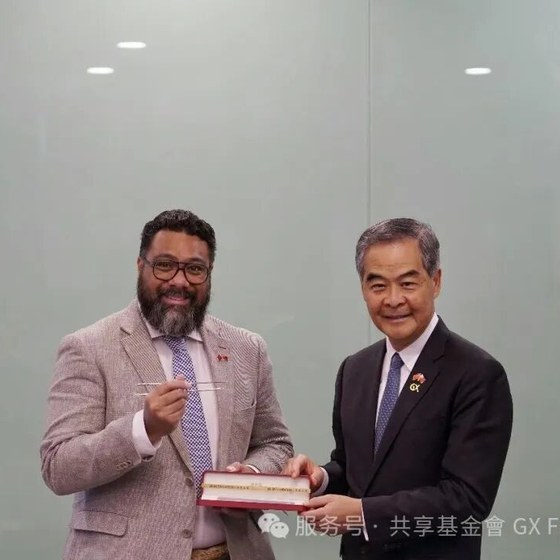
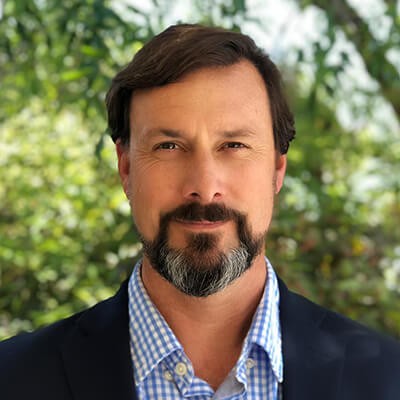
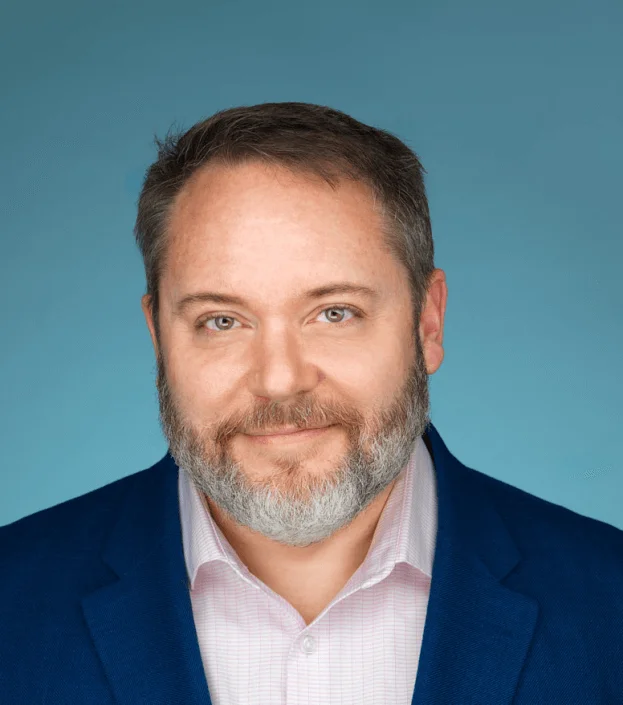
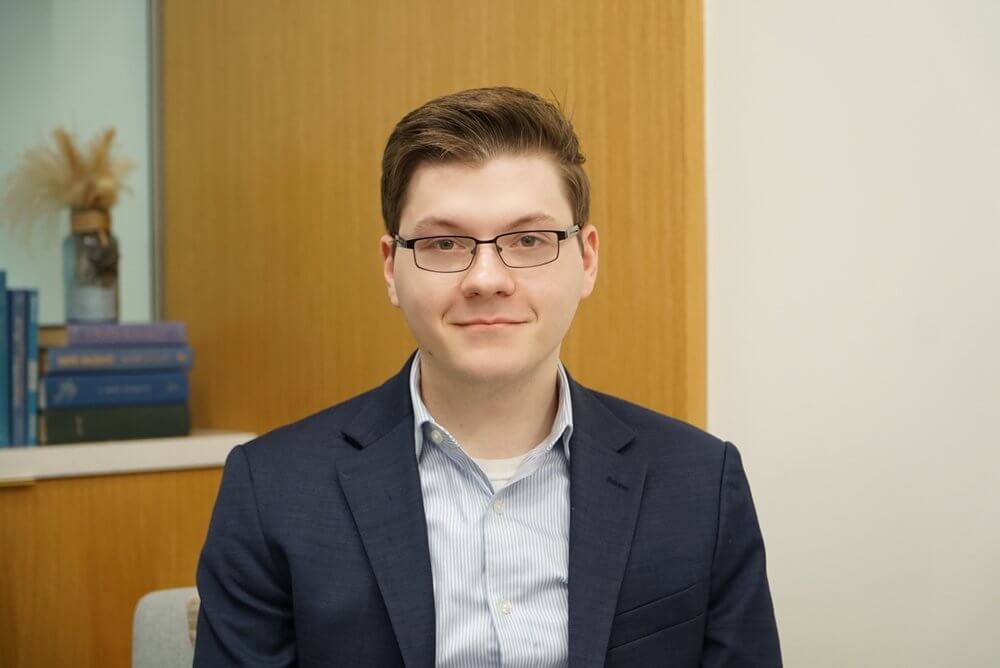
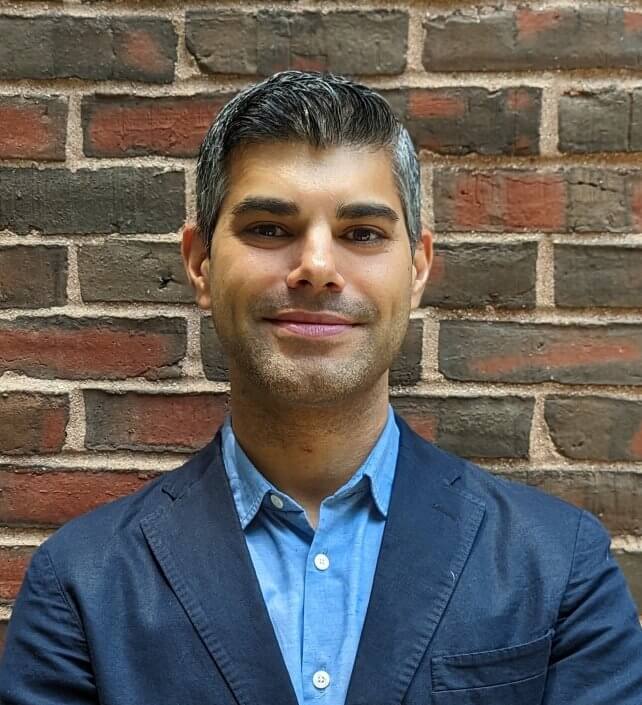
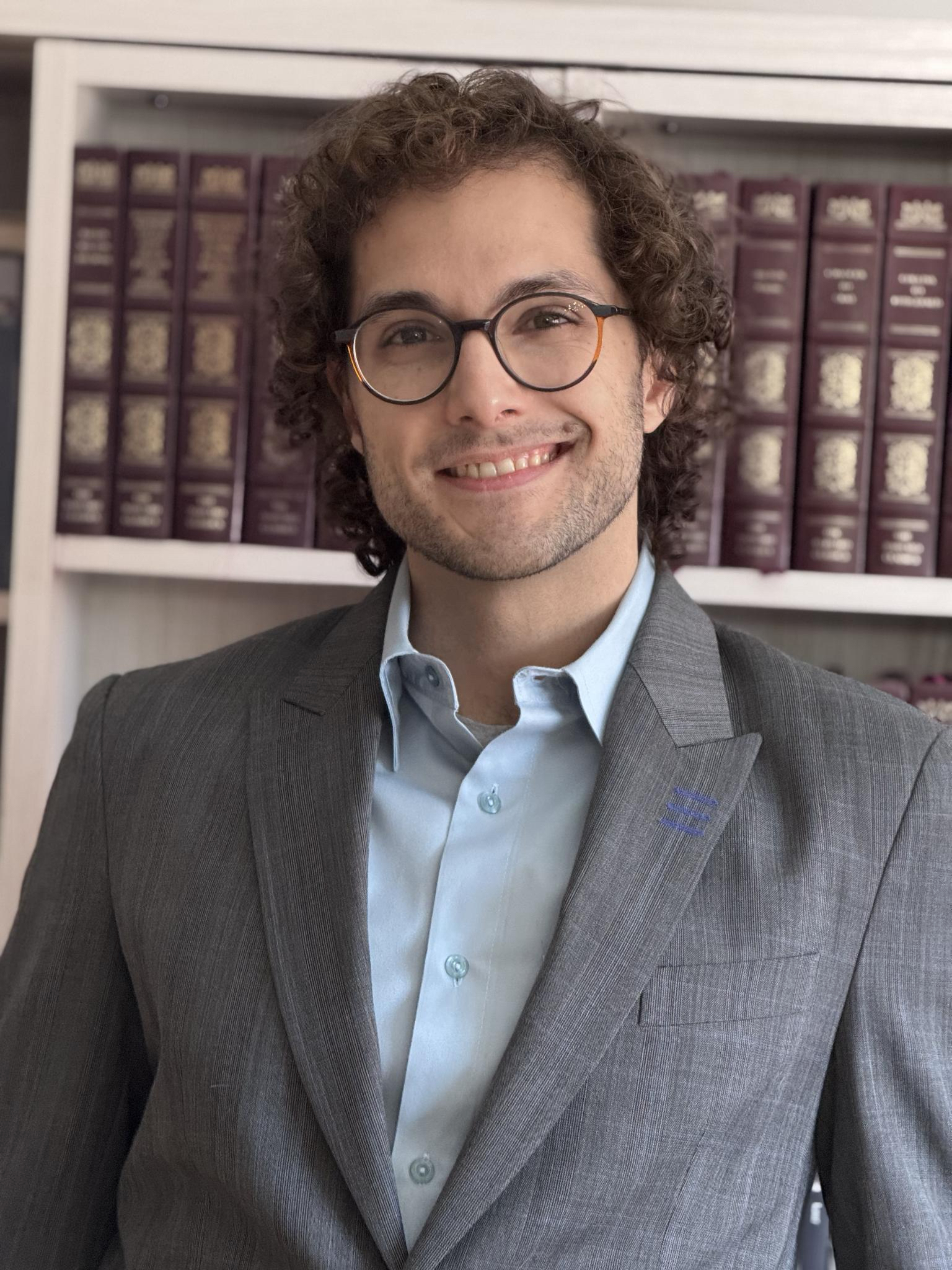
A small, specialized team. Real bios, real credentials, and a shared commitment to asking questions that challenge our own assumptions.
Read full bios →When policymakers only hear what they want, someone else ends up suffering the consequences — usually later, and usually in ways no one anticipated.
Our funders do not see drafts before our peer reviewers do.
Our commercial clients have no review rights over our public research or our public remarks.
When facts on the ground change, we change our mind.